
Building fabric compliance plays a pivotal role in the UK construction industry, ensuring that structures are not only functional but also durable, safe, and energy efficient. For any construction project in the UK, meeting regulatory standards for the building fabric isn’t just about ticking boxes; it’s a critical component in delivering a structure that stands the test of time while fulfilling modern sustainability and safety requirements as set out in UK law and guidance.
This post explores what building fabric compliance entails, its importance in construction projects, the risks of non-compliance, and how expertise in this area, such as that provided by Elite Group, can transform a client’s building portfolio.
What is building fabric compliance?
The “building fabric” of a structure refers to its physical components, including walls, floors, roofs, windows, and doors. These elements work together to create the building envelope – the barrier that separates the interior environment from external conditions. Compliance in this context means ensuring that these components meet legal, functional, and safety standards as defined by UK building regulations and legislation.
Key standards in the UK typically address:
- Thermal performance: Minimising heat loss or gain to improve energy efficiency in line with rules such as Part L of the Building Regulations (Conservation of Fuel and Power).
- Fire resistance: Ensuring materials can withstand fire for a specified duration for safe evacuation, in accordance with Part B of the Building Regulations (Fire Safety).
- Acoustic performance: Reducing noise transmission for comfort and functionality, as set out in Part E (Resistance to Sound).
- Structural integrity: Ensuring materials and design support the building’s load and usage requirements over its lifecycle, following Part A (Structures).
Failure to comply with these UK regulations can lead to safety hazards, inefficiencies, and significant legal consequences, making building fabric compliance an essential consideration in every phase of construction.
Why is building fabric compliance critical?
Building fabric compliance impacts much more than just regulatory approval. It directly influences the safety, efficiency, and longevity of a building. Here’s why compliance is paramount:
1. Ensuring safety
Structures must be safe for occupants and users, and this starts with the building fabric. For example, compliant materials and designs:
- Reduce the risk of structural failures.
- Improve fire safety by keeping flames and smoke from spreading too quickly.
- Protect occupants in extreme weather by maintaining structural stability.
Take, for instance, the issue of fire safety. Compliance with fire door standards, as required in UK regulation, ensures that fire and smoke are contained for a specific duration, offering occupants time to exit the building safely. It’s just one example of how legislation protects lives.
2. Boosting energy efficiency
UK building fabric compliance is fundamental to achieving energy-efficient designs. By using materials with high insulation performance and minimising air leakage, buildings:
- Lower heating and cooling costs.
- Reduce carbon footprints.
- Ensure alignment with UK sustainability goals and legislation such as Part L of the Building Regulations.
A well-insulated building, for example, relies less on artificial cooling in summer or heating in winter. This benefits occupants and the environment, and can significantly reduce operating costs over the lifetime of the property.
3. Promoting building durability
The durability of a building heavily depends on its ability to resist wear, weather elements, and ageing. Compliance ensures that materials used in construction:
- Meet high-quality standards to withstand environmental conditions.
- Require fewer repairs and replacements, reducing long-term maintenance costs.
- Sustain optimal performance over decades, ensuring a better lifecycle return on investment.
For instance, moisture-resistant materials in building fabric can prevent water ingress and subsequent damage to interiors – an investment that avoids costly repairs in the future.
4. Enhancing market value and reputation
A building that complies with all legal and performance standards is not only a safer structure; it’s also more appealing to investors, tenants, and buyers. Compliance adds significant value by assuring stakeholders that the property is reliable, energy efficient, and well maintained. This can make the difference in competitive UK real estate markets.
Risks of non-compliance
Failing to adhere to UK building fabric compliance standards can create numerous challenges, including:
- Financial penalties: Regulatory breaches often result in hefty fines and delays, escalating project costs.
- Damaged reputation: Non-compliance can tarnish a company’s reputation, making it difficult to secure future work.
- Structural failures: Poor materials or shortcuts during construction can result in catastrophic failures later.
- Litigation risks: If a building does not meet safety standards and incidents occur, companies may face serious legal consequences under UK law.
For example, inadequate insulation can leave occupants facing skyrocketing energy bills, while non-compliant fire barriers can worsen outcomes during emergency situations – both of which could lead to litigation and irreversible brand damage.
How Elite Group supports building fabric compliance
Elite Group specialises in construction and building fabric services, offering tailored solutions to ensure that every project meets robust UK compliance requirements while remaining cost effective. Here’s how their expertise can benefit clients:
1. Comprehensive compliance services
Elite Group handles everything from initial consultation to installation, ensuring that all elements comply with the latest standards. Their in-depth understanding of UK regulations, such as the Building Safety Act, provides reassurance that every aspect of the project meets legal requirements.
2. Innovative solutions
The company takes a forward-thinking approach to compliance, using cutting-edge materials and technologies that not only meet current UK standards but also anticipate future needs. For example, Elite Group incorporates energy efficient and durable materials to enhance the building envelope’s performance.
3. Holistic lifecycle management
Elite Group goes beyond compliance audits by looking at the building’s entire lifecycle. Their services include preventative maintenance, periodic inspections, and adaptive solutions that extend the life of structures – saving clients money in the long run.
4. Case studies of excellence
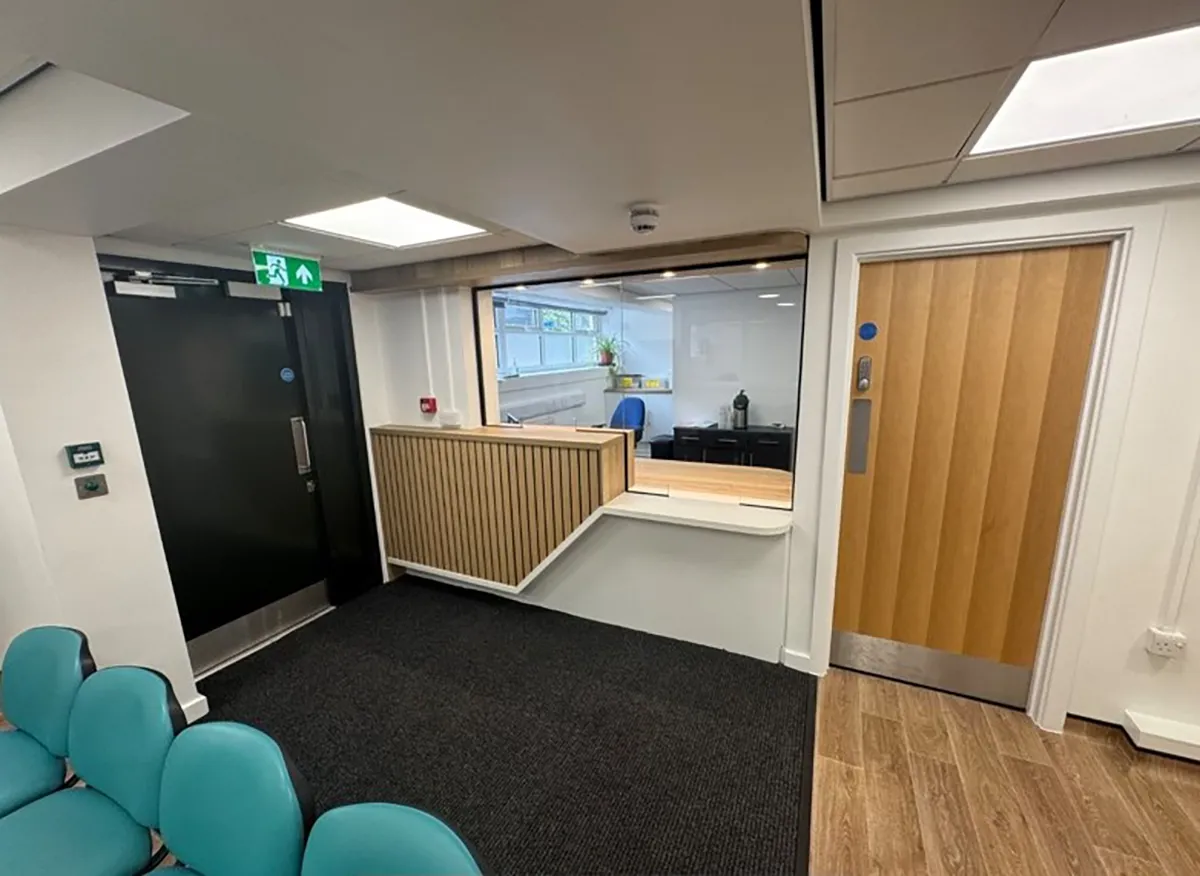
One standout example of Elite Group’s work is their refurbishment of Bevan Healthcare in Leeds City Centre. This project included modernising the internal space to meet updated compliance requirements while creating a functional, flexible environment for its users. These types of projects highlight their ability to deliver value without compromising on quality or safety.
5. Cost-effective implementation
Elite Group works closely with clients to develop solutions that match your budget and achieve all necessary performance outcomes.
The path to compliant, high-quality buildings
Meeting UK building fabric compliance standards isn’t just a regulatory necessity; it’s a vital investment in the safety, efficiency, and durability of construction projects. From reducing energy consumption to protecting lives, compliant building practices ensure long-term benefits for property owners, users, and the broader community.
Elite Group’s expertise makes them a trusted partner in navigating the complexities of compliance. By combining knowledge of UK regulatory standards with innovative, cost-effective solutions, they empower clients to deliver projects that meet the highest standards – both now and into the future.
For assistance with all your building fabric compliance needs, reach out to Elite Group today and start building smarter, safer, and more sustainable structures.